Why Toxic Relationships Feel So Addictive
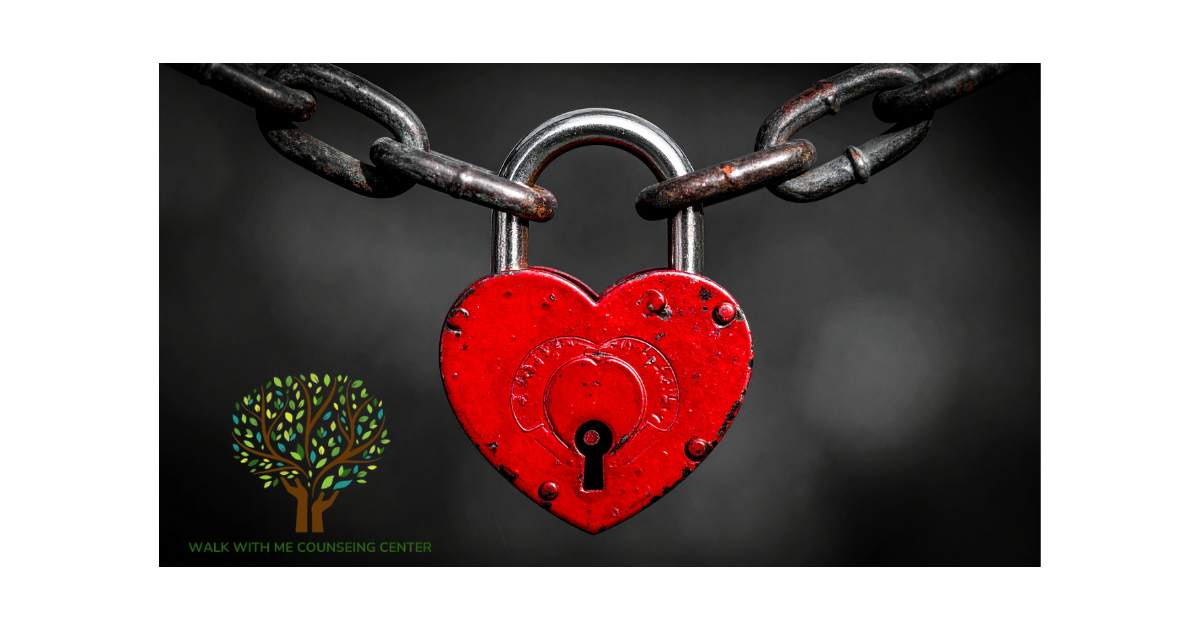
You know the relationship is not good for you. You have known it for a while. And yet walking away feels almost impossible — like there is something pulling you back that does not respond to logic or good intentions or even a long list of reasons you wrote out one night trying to convince yourself to go.
If you have ever wondered why toxic relationships feel so addictive, the answer goes deeper than habit or familiarity. There is something real happening inside you — and understanding it is one of the most useful things you can do for yourself right now.
Clients we work with often describe this feeling as being hooked — fully aware of the problem, and still unable to get free of it. That experience is not irrational. It makes complete sense once you understand what has been happening beneath the surface of the relationship.
It Lives in Your Body, Not Just Your Mind
When a relationship goes back and forth between pain and warmth, distance and connection, your body gets deeply involved. Not knowing when closeness will arrive — not knowing if today will be a good day or a disappearing day — activates the reward center in your brain in a way that steady, available relationships simply do not.
The warmth, when it comes after a long stretch of distance or confusion, can trigger real relief. And like any reward that arrives unpredictably, it becomes more powerful over time — not less. Your brain works harder to get it, not because you are weak, but because that is exactly what unpredictable rewards do.
Why This Keeps Happening
Toxic relationships feel addictive because your brain responds to on-and-off warmth and connection the same way it responds to other unpredictable rewards — by wanting more of it. The pain of distance and the relief of return create a cycle that can feel almost physical in its pull. This is not a weakness. It is the predictable result of an unpredictable bond.
What Toxic Relationship Cycles Actually Look Like
It is worth being honest here, because these dynamics are not all the same — and the differences matter.
Some relationships involve a partner who genuinely cares but cannot maintain emotional consistency. The distance is painful, but not on purpose. The warmth is real. The harm comes from the inconsistency itself, not from deliberate behavior.
Other relationships involve patterns that are more harmful — cycles of intense attention followed by withdrawal, emotional manipulation, or dynamics that seem designed to keep you uncertain and dependent. In these relationships, the pull toward the partner can be just as powerful — sometimes more so — but the driving force behind it is different.
Naming the difference is not about diagnosing your partner. It is about understanding what you are actually dealing with so you can respond to it clearly. A relationship that involves on-and-off reinforcement — whether on purpose or not — has a particular kind of hold. And a relationship that involves more actively harmful patterns requires a particular kind of support.
The Pattern That Makes It Hard to See Clearly
One of the things that makes these cycles so difficult to name is that the pattern is rarely obvious from the inside. It is not always constant conflict. Sometimes it looks like someone who was incredibly attentive at the start — almost overwhelming in their presence — and then slowly became less available.
Sometimes it looks like a partner who is warm and generous when things are easy and cold or distant when you need something real. Sometimes it looks like mixed signals that leave you perpetually uncertain about where you stand.
That uncertainty is not always accidental. A relationship where you never feel fully secure keeps your focus locked on the relationship itself — trying to manage it, repair it, understand it — which means less focus on what it is taking from you.
Ask yourself: When you imagine the relationship at its best, does that version show up consistently? Or only in moments — brief enough to give you hope but not long enough to trust? Your honest answer to that question matters.
Do You Recognize Yourself Here?
You might have found yourself constantly thinking about the relationship, even when you are with people who love you. You might have left and come back more than once — sometimes surprised by how quickly the pull brought you back. You might have experienced the low of their silence and the high of their return so many times that those swings have started to feel like the rhythm of love itself.
You might also feel quiet shame about it — wondering why you cannot just decide to stop and follow through. But the shame is misplaced. What you are describing is what happens when a real bond forms inside an inconsistent or destabilizing dynamic. It is not a reflection of your character. It is a reflection of what the cycle has done to you over time.
What the Cycle Does Over Time
The longer you stay inside a toxic relationship cycle, the more your baseline quietly shifts. Calm starts to feel like distance. A partner who is consistent and present can start to feel boring — not because they are, but because your body has been recalibrated to equate intensity with meaning.
At the same time, your sense of self starts to narrow around the relationship. Your confidence shrinks. You spend more energy managing the dynamic than living your own life. And the anxiety that lives inside the relationship can begin to follow you outside of it — into your friendships, your work, the way you see yourself when you are alone.
These are not small costs. They build up quietly. And they deserve to be named.
The Way Out Is Not Willpower
Willpower is rarely enough to break a cycle this deeply embedded — not because you lack strength, but because willpower works at the level of conscious decision-making. And the pull of this kind of relationship lives much deeper than that.
What actually creates lasting change is understanding — of what your body has learned, what the relationship came to represent in terms of safety and connection, and what early experiences may have made this pattern feel familiar rather than alarming. That is not work you can think your way through alone. It is work that therapy is built to support.
This is also connected to the attachment loop that forms in these dynamics. If you want to understand that part of the pattern, you may also want to read What Is an Attachment Loop in Relationships.
There Is a Way Through
That kind of clarity often takes support. Therapist Deja Phillips at Walk With Me Counseling Center works with clients who are trying to make sense of confusing relationship patterns like this. Therapy creates space to understand what has been happening, what it has been doing to you, and what steadier relationships can actually look like.
Walk With Me Counseling Center provides virtual therapy across Illinois, including Chicago. The practice is in network with Blue Cross Blue Shield PPO and Aetna PPO. If you have different coverage or prefer to pay out of pocket, options can be discussed during your free consultation.
A Gentle Note Before You Go
The pull you feel toward this relationship is real. And the fact that you cannot simply think your way out of it does not mean you are failing. It means the pattern runs deep, and it needs more than a decision to unwind. These patterns are genuinely hard to see from the inside. And you do not have to keep figuring it out alone.
You were not built to be trapped in this. You were built for something steadier — and that is still available to you.
How Do You Know If This Pattern Is Happening in Your Relationship?
Here are four signs that a toxic relationship cycle may be at work for you.
• The relationship swings between real warmth and distance or confusion — and the good moments feel more intense because of how long you waited for them.
• You have tried to leave or pull back more than once, but something — often well-timed warmth or contact — brought you back before you could fully go.
• You spend more mental energy on this relationship than on almost anything else in your life, even when things between you are quiet.
• After a long period in this dynamic, calm or consistent relationships have started to feel less interesting — even though part of you knows steadiness is what you actually want.
If these feel true, what you are experiencing is not weakness. It is the natural result of a powerful cycle. And it is exactly the kind of thing that changes in therapy.
Frequently Asked Questions
Why do toxic relationships feel addictive?
Because the on-and-off pattern of warmth and withdrawal activates the reward center in your brain in a powerful way. When connection is unpredictable, your brain works harder to get it — making the good moments feel intensely meaningful and making it very difficult to walk away.
What is intermittent reinforcement in a relationship?
Intermittent reinforcement is when warmth, affection, or connection arrives on an unpredictable schedule. This creates a strong pull because you are always waiting for the next good moment. In some relationships this happens naturally from inconsistency. In others it functions as a pattern that keeps the other person engaged and uncertain.
Does every toxic relationship involve manipulation?
No. Some relationships cause harm through inconsistency and emotional unavailability rather than deliberate manipulation. Others involve more actively harmful dynamics. Both can feel addictive. Understanding which one describes your situation is part of gaining the clarity that supports real change.
Can therapy really help with something that feels this compulsive?
Yes. Therapy works at the level where these patterns actually live — in your body, in your early experiences with connection, and in the beliefs you have formed about love. Deja Phillips at Walk With Me Counseling Center offers a free consultation through relationship therapy in Illinois.