Still Not Over It? The Real Reason You Can’t Move On After a Breakup
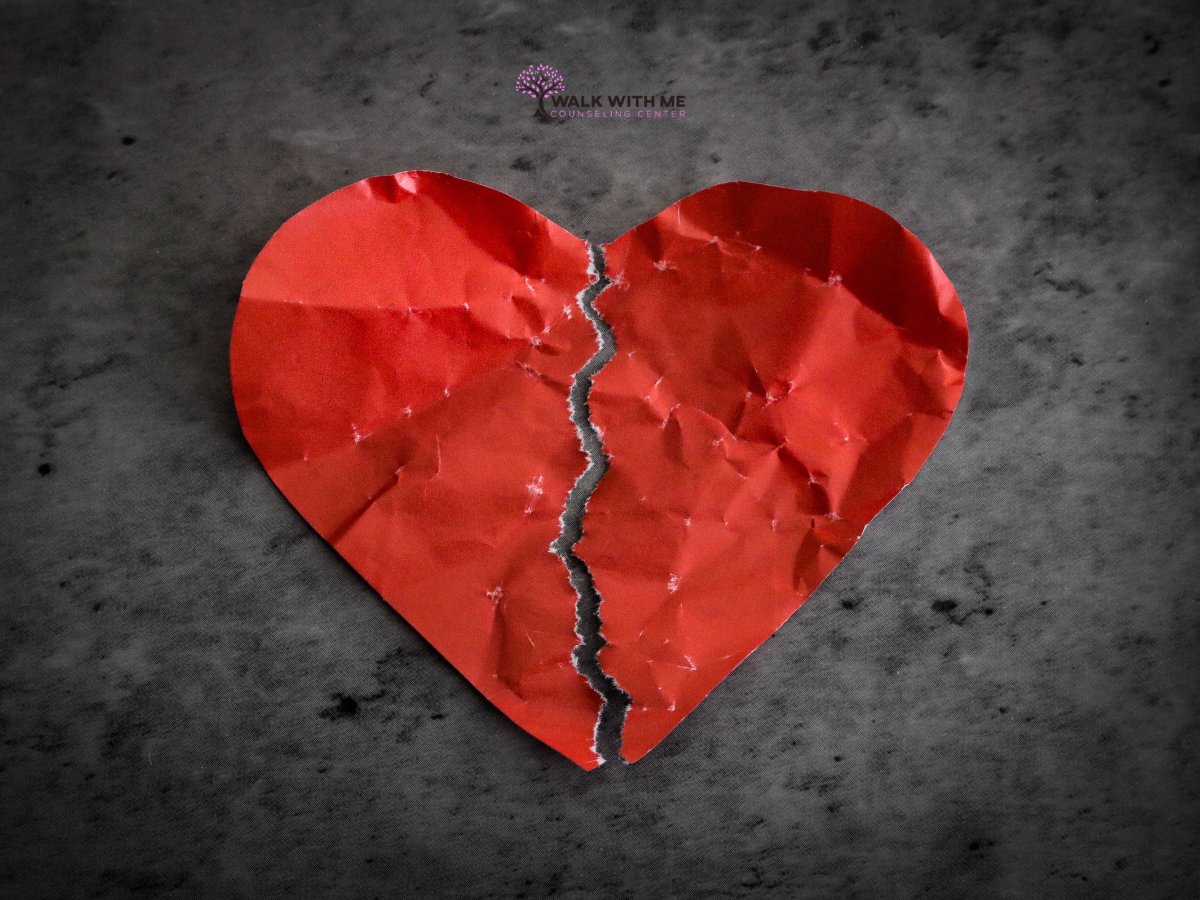
You have done everything "right." You unfollowed them, you packed up their things, and you filled your calendar with friends and hobbies. Months have passed—maybe even longer—and yet, the heavy weight in your chest hasn't lifted. You find yourself constantly asking: Why can't I just move on?
When the timeline of your healing doesn't match up with your expectations, it is easy to feel frustrated with yourself. You might wonder if something is wrong with you or if you are destined to feel this way forever.
The truth is, being stuck after a breakup is rarely a sign of weakness. It is usually a sign that your mind and body are processing the loss in ways that time alone cannot fix. Here is why moving on can feel impossible, and what is actually keeping you tethered to the past.
Your Brain is in Withdrawal
Love isn't just an emotion; it is a physiological state. When you are in a relationship, your brain becomes accustomed to regular doses of dopamine, oxytocin, and serotonin provided by your partner's presence, touch, and communication.
When the relationship ends, those chemical reinforcements stop abruptly. Your brain enters a literal state of withdrawal. The obsessive thoughts, the urge to check their social media, and the intense cravings for their attention are your nervous system's desperate attempts to get its chemical baseline back. You are not weak for wanting them; your brain is simply trying to regulate a sudden deficit.
You Are Grieving an Identity, Not Just a Person
A breakup doesn't just sever a connection with another person; it severs your connection to a specific version of yourself.
In a relationship, your identity becomes intertwined with your partner. You were part of a "we." You had shared routines, inside jokes, and a projected future. When that ends, the grief is compounded. You are mourning the loss of your partner, but you are also mourning the future you planned and the person you were when you were with them. The struggle to move on is often a struggle to figure out who you are now, in this empty space.
The Illusion of "Closure"
Many people stay stuck because they are waiting for closure. You might feel that you need one last conversation, an apology, or an explanation to finally shut the door.
But relying on an ex for closure gives them power over your healing process. If they cannot or will not give you the answers you need, your brain keeps the loop open, endlessly analyzing what went wrong. True closure isn't something someone else hands to you. It is a decision you make internally to accept that the past cannot be changed, regardless of the "why."
You Are Avoiding the Core Pain
Staying busy is a common coping mechanism, but distraction is not the same as processing. If you have been running from the pain by throwing yourself into work, new flings, or endless social events, the grief simply waits for you to slow down.
When you avoid the deep, uncomfortable feelings of abandonment, rejection, or inadequacy that the breakup triggered, they remain trapped in your nervous system. You cannot move past a feeling you refuse to feel.
How to Finally Shift Forward
If you are tired of circling the same drain, healing requires a different approach:
Feel the withdrawal without acting on it: Acknowledge the craving to reach out, but recognize it as a chemical urge rather than a sign that you belong together.
Rebuild your individual identity: Start small. Return to hobbies you abandoned, make decisions based solely on your preferences, and actively construct a life that doesn't have a hollow space shaped like your ex.
Process the underlying grief: This means slowing down enough to cry, to feel angry, and to mourn the future you lost.
You don't have to navigate this heavy lifting alone. If the pain feels too big to process by yourself, it might be time to bring in support.
FAQ
-
Description texYour brain has categorized the relationship as an unresolved problem, and it will naturally keep returning to it until it finds a conclusion. This mental looping isn't an obsession; it is your mind desperately searching for a resolution it cannot achieve through overthinking alone. Therapy helps process this so your nervous system can finally close the loop and rest.t goes here
-
Yes, and it is far more common than people admit. Checking their profiles gives your brain a way to keep them present and keeps you in a familiar state of monitoring. Shaming yourself for looking doesn't work; understanding why you are seeking that temporary, painful connection is the first step to breaking the habit.
-
Forcing yourself to stop thinking about them usually just makes the thoughts louder. The mental loop only quiets down when you uncover what it is actually pointing to—often an older, underlying wound that this relationship temporarily soothed or triggered. Once you tend to that root issue, the grip they have on your daily thoughts will naturally begin to loosen.
Ready to Break the Cycle?
If you are exhausted from feeling stuck and are ready to do the deep work of healing your nervous system, rebuilding your identity, and processing your grief, we can help. Walk With Me Counseling Center work with individuals across Illinois to untangle painful relationship patterns and facilitate genuine emotional recovery. Our practice is fully virtual, allowing you to prioritize your healing from wherever you are.
We accept BCBS PPO, BCBS Community Health Plans (Medicaid), BCBS Medicare Advantage, and Aetna PPO, and we also work with self-pay clients.