How to Keep Going When the World Feels Like It’s Too Much
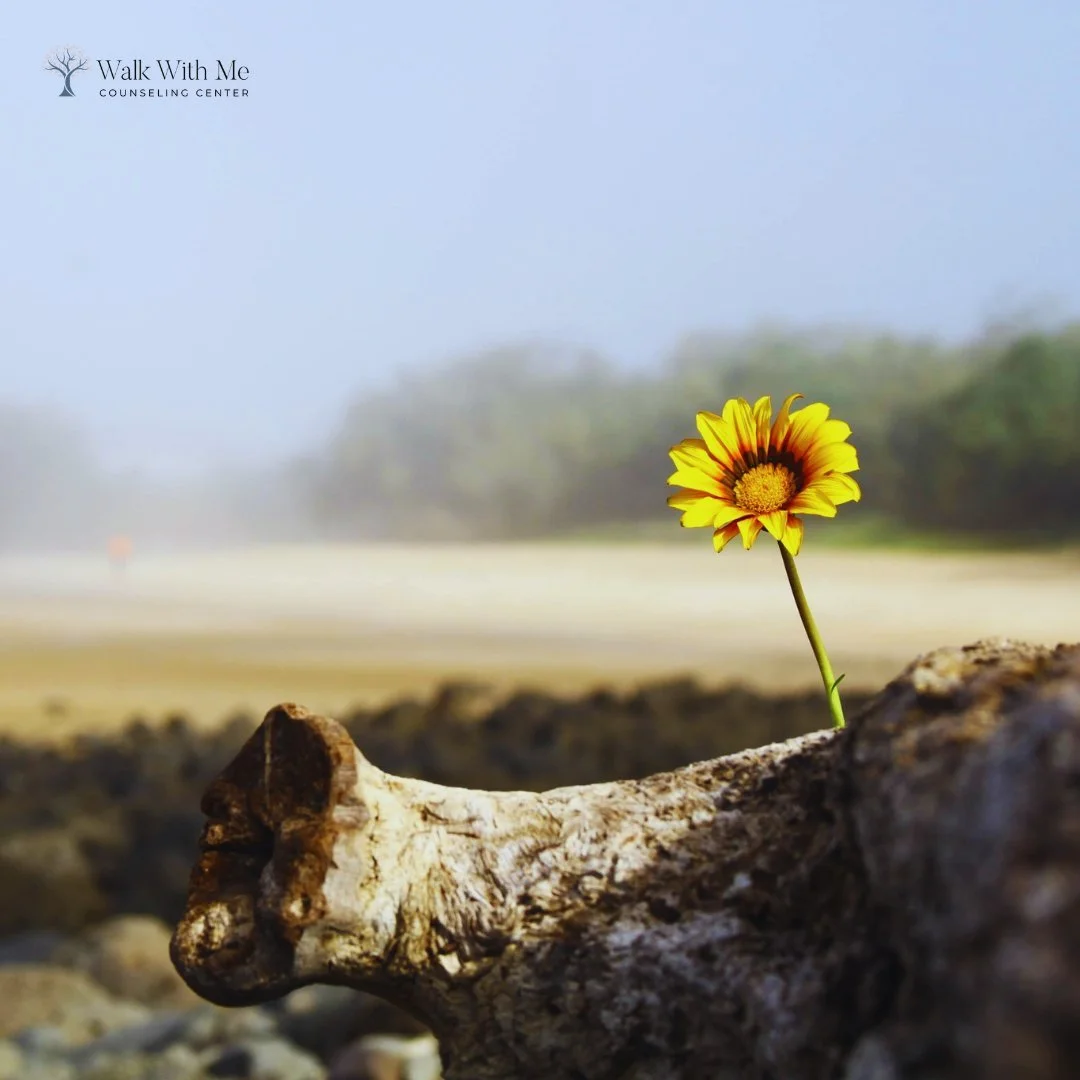
The news cycle feels relentless. Every day brings another wave of unsettling headlines: soaring prices, layoffs, conflicts that cross borders, governments in turmoil, and technology that promises progress yet sparks deep fear. We scroll through stories of war and violence, all while the online world shouts with division and outrage.
Our phones buzz endlessly, each notification another reminder of how chaotic and fragile life can feel. Instead of bringing us peace, technology often magnifies our anxieties. And though we are more connected than ever, many of us feel profoundly alone. Communities fracture, loneliness spreads, and even our closest relationships can feel strained under the weight of constant tension.
If you feel exhausted, fearful, or even hopeless, you are not alone. In fact, struggling under these conditions makes sense.
When Struggling Makes Sense
In many cultures, especially in the U.S., there's a stigma attached to struggling. Unhappiness is often treated as a kind of failure, as though not being positive enough is a personal flaw.
This pressure only adds to the exhaustion of living through difficult times. We hear voices, both external and internal, that tell us we should be grateful, we should be calm, we should have a growth mindset and turn pain into opportunity.
Gratitude and optimism are powerful practices, and they do help. But they are not substitutes for grief, anger, or sadness.
The truth is, life is hard right now. Feeling sorrow, outrage, or fear isn't weakness. It's proof of our humanity. When we hurt, it's because we still care. Our pain is evidence that we remain alive to love, beauty, and hope.
What Happens When We Push Pain Away
There's a teaching in Buddhist wisdom about two arrows. The first arrow represents the pain life inevitably brings. Illness, loss, injustice, fear. We cannot escape this arrow. It's part of being human.
The second arrow is the suffering we add to ourselves by resisting, judging, or denying our pain. When we tell ourselves we shouldn't feel angry, or that we're weak for grieving, we intensify our suffering.
Our usual instinct is to avoid the first arrow. We numb, distract, or talk ourselves into being fine. But avoidance doesn't work. The more we push pain away, the more it grows.
Many people we work with in therapy here in Chicago and across Illinois have spent years trying to outrun their emotions. They stay busy, they self medicate, they tell themselves it's not that bad. And then one day, the weight of it all becomes too much to carry alone.
Healing begins when we lean into the pain. Not by wallowing, but by meeting it with curiosity instead of judgment. When fear arises, we notice it. This is fear. My breath is short. My chest feels tight. When grief appears, we give it space. This is grief, heavy in my throat. It belongs here for now.
By staying present, we soften the sting of the second arrow. Pain may remain, but it doesn't multiply.
What Pain Can Teach Us
Pain is not just a weight to carry. It's also a source of wisdom.
Our emotions, even the painful ones, are messengers. Anger tells us where injustice lies. Grief reveals what we love most deeply. Fear warns us to take care.
When we face these feelings honestly, they can transform into guides that show us what matters most. Instead of being crushed by suffering, we begin to shape it into meaning.
This isn't a new idea. The psychologist Viktor Frankl, a Holocaust survivor, wrote about the people who survived the concentration camps. It wasn't because their pain was less. It was because they found meaning within it. A loved one to live for, a duty to fulfill, a vision of the future. These small threads of purpose made survival possible.
Meaning doesn't erase suffering. Sometimes, it even intensifies it. But it reframes suffering within a larger story, one where love and values give pain its context.
We may not face the horrors Frankl endured, but we all need meaning to endure life's hardships. Even in our ordinary days, meaning helps us rise when everything feels heavy.
Small Ways to Anchor Yourself
When the world feels overwhelming, you don't need a grand plan. You need something solid to hold onto.
Returning to your body can help. When your mind spins with fear or despair, pause. Take three slow breaths. Unclench your jaw. Place both feet firmly on the floor. Remind yourself that you are here, and you can meet this moment.
Naming what matters to you can also create clarity. When stress threatens to crush you, recall what matters most. Maybe it's your child, your community, your faith, or a cause you believe in. You don't have to fix everything. You just have to remember why you keep going.
And sometimes, the most powerful thing you can do is take one deliberate step aligned with your values. Call a friend who's struggling. Volunteer for an hour. Protect an evening for genuine rest. Even small steps remind us we are not powerless.
These aren't cure-alls. They won't make the pain disappear. But they can help you feel a little more grounded when everything else feels like it's shifting beneath your feet.
What Meaning Actually Does
Meaning does not take away pain, but it transforms it. Instead of chaos, we find direction. Instead of despair, we find a spark of hope.
Meaning is a candle lit in the dark. A fist raised in defiance. A whisper of love refusing to give up. It's what gives us the strength to say, this matters, and so do I.
It asks us to stay, both with our pain and with the values that matter most. It asks us to show up for ourselves and our communities, even when the noise feels deafening. And it reminds us that we don't have to do it alone.
When Carrying It Alone Becomes Too Much
You may be carrying more than anyone should have to carry. Maybe the constant barrage of news leaves you feeling exhausted, hopeless, or angry. Maybe anxiety has taken root in a way that makes it hard to sleep or focus. Maybe you're noticing that your relationships feel strained under the weight of everything happening in the world.
If that sounds like you, this is not the time to keep pushing through on your own. Therapy can help you process, find perspective, and reconnect with what gives your life meaning. It's not about fixing you. It's about creating space to be human in hard times.
At Walk With Me Counseling Center, we work with adults and couples across Illinois through online therapy. Our therapists are culturally responsive, and trained to help people move through difficult emotions in ways that feel safe and grounding.
We offer free 15-minute consultations if you want to talk through what's going on and see if therapy feels like a good fit. We're also in network with BCBS PPO and Aetna PPO, which can make support more accessible.
You don't have to figure this out alone. What hurts can also heal, especially when you don't face it by yourself.