

Ready to take care of you?
Explore ways to grow, heal, and start moving toward the life you want

How to Set Boundaries Politely Without Feeling Like a Bad Person
You want to say no, but you don’t want to sound mean. This guide explains how to set boundaries politely, hold your limits, and stop feeling like protecting yourself makes you a bad person.

Examples of Healthy Boundaries You Can Start Using Today
Healthy boundaries are easier to understand in theory than in real life. If you freeze when it’s time to say no, here are real examples of healthy boundaries you can start using today—plus how to say them with confidence.
How Attachment Trauma Makes Setting Boundaries Feel Unsafe
If setting boundaries makes your body panic, freeze, or shut down, it may not be communication — it may be attachment trauma. Here’s why your nervous system reacts and how healing changes it.

Why Setting Boundaries Feels So Hard for People Pleasers
You know you need boundaries but every time you try to say no the guilt takes over. People pleasing is not kindness. It is fear shaped by past relationships. Here is why boundaries feel so hard and how to start changing the pattern
How to Set Boundaries for Yourself When You're Used to Putting Everyone Else First
If you’re used to putting everyone else first, rest can feel unsafe. Learn how attachment patterns and productivity guilt make self-boundaries hard—and how to stop self-abandoning.
How to Set Boundaries with Friends Who Drain You
Feeling exhausted after every interaction with a friend? Learn how people-pleasing, attachment patterns, and emotional labor create one-sided friendships and how to set healthy boundaries without losing yourself.
How to Set Boundaries Without Feeling Guilty
Struggling to say no without feeling selfish or guilty? Learn how attachment wounds, nervous system patterns, and people-pleasing make boundaries hard—and how to set healthy limits without damaging your relationships.
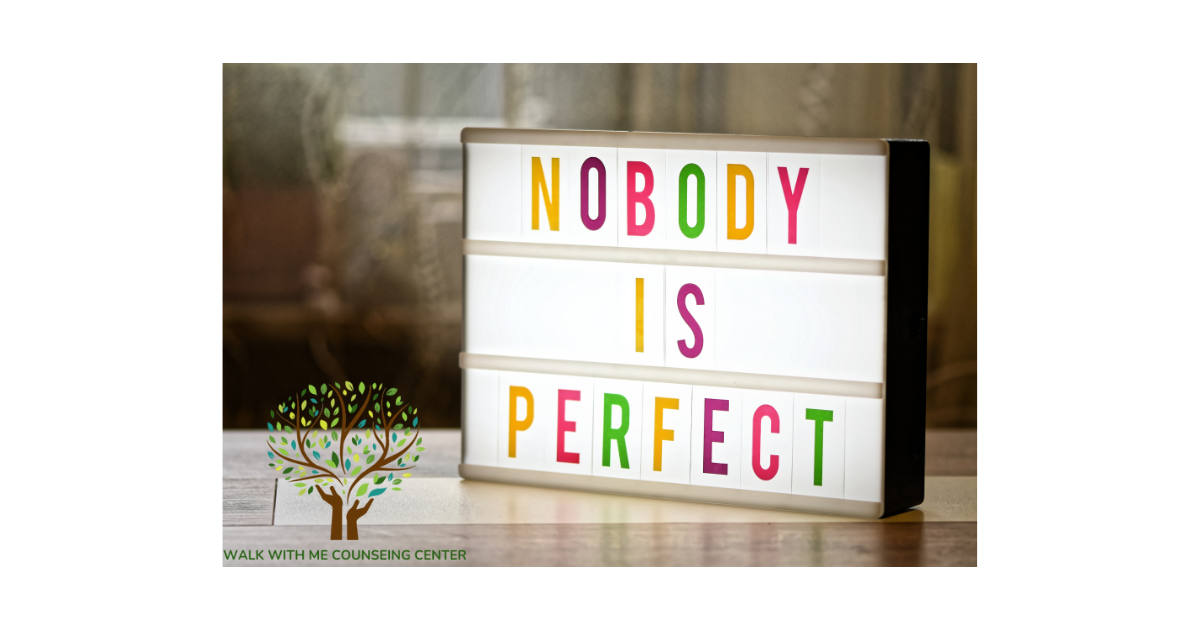
3 Signs Your Perfectionism Is a Trauma Response
Perfectionism is often praised, but it can be a trauma response. Learn three signs that perfectionism may be a survival mode and how healing and therapy can help.