3 Signs Your Perfectionism Is a Trauma Response
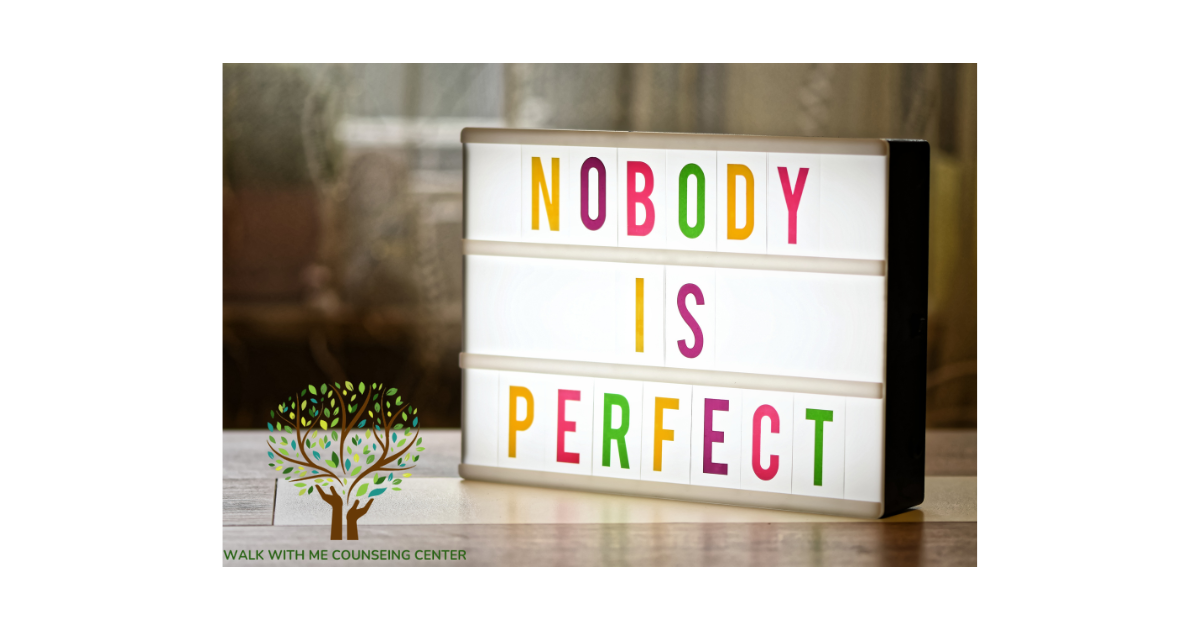
In my therapy practice, I work with a lot of people who look like they have it all together. They're the high-achievers, the reliable friends, the ones who are always juggling a million things and never seem to drop a ball. They're the strong ones. But when they sit down on my couch, they often say the same thing: "I feel like I'm falling apart on the inside."
For many people, especially women and people of color, this intense drive to be perfect and self-sufficient isn't just a personality trait. It's a trauma response. It's a survival strategy that got learned early, when the world didn't feel safe or predictable.
If this sounds like you, I want you to know that you're not alone. And I want to offer a different way of looking at your strength.
The Armor of Perfectionism
When you grow up in an environment where you don't feel emotionally safe—whether it's chaos at home, neglect, or the constant stress of navigating systemic racism—you learn that you can't rely on others for your safety. So you learn to rely on yourself. You learn that if you can just be perfect enough, smart enough, capable enough, you can control the world around you and keep yourself from getting hurt.
This isn't a conscious choice. Your nervous system just figures it out: "If I'm perfect, no one can criticize me. If I'm self-sufficient, no one can let me down. If I take care of everyone else, I won't have to feel my own needs."
It becomes your armor. And it works, for a while. You get praise for being so responsible. You achieve things. You become the person everyone counts on.
But wearing armor is exhausting. And it keeps you from ever being truly seen.
3 Signs Your Strength Is a Trauma Response
How can you tell the difference between healthy ambition and a trauma-driven need for control? Here are three things I see in my clients:
1. You can't relax.
Even when you're on vacation, your mind is still running. You're making lists, solving problems, worrying about what might go wrong. The idea of doing nothing feels lazy or even dangerous.
That's because your nervous system is stuck in a state of high alert. It doesn't know how to power down. Rest feels unsafe because some part of you still believes that your survival depends on staying vigilant.
2. You have a deep fear of asking for help.
Asking for help feels like admitting failure. You think, "I should be able to handle this on my own."
This isn't about pride. It's about a belief—buried deep—that it's not safe to be vulnerable or dependent on others. You learned early on that the only person you could truly count on was yourself. So you carry the weight of the world on your shoulders, even when you're about to collapse under it.
3. You feel resentful, but you don't know why.
You do so much for everyone else, but there's this low-grade resentment simmering under the surface. You feel unappreciated. Taken for granted.
This resentment is often a sign of unmet needs. You've spent so much energy taking care of others that you've neglected yourself. But because you learned to suppress your own needs to survive, you might not even know what they are anymore. All you know is that you feel empty and exhausted.
What Comes Next
If any of this resonates with you, please hear me when I say this: your strength has served you well. It has kept you safe. It has helped you survive.
But you don't have to live in survival mode forever.
Healing isn't about giving up your strength. It's about learning that it's safe to be soft sometimes. It's about discovering that you can be both strong and vulnerable, both capable and in need of support. It's about learning to trust that you don't have to do it all alone, slowly and carefully.
At Walk With Me Counseling Center, we specialize in trauma therapy and working with high achievers who are exhausted from perfectionism. As African American female therapists, we understand these pressures from the inside. We offer online therapy throughout Illinois and accept BCBS PPO and Aetna PPO. If you're ready to put down some of that armor, we're here.
Schedule your free consultation today!