Why It Hurts So Much When a Friend Pulls Away
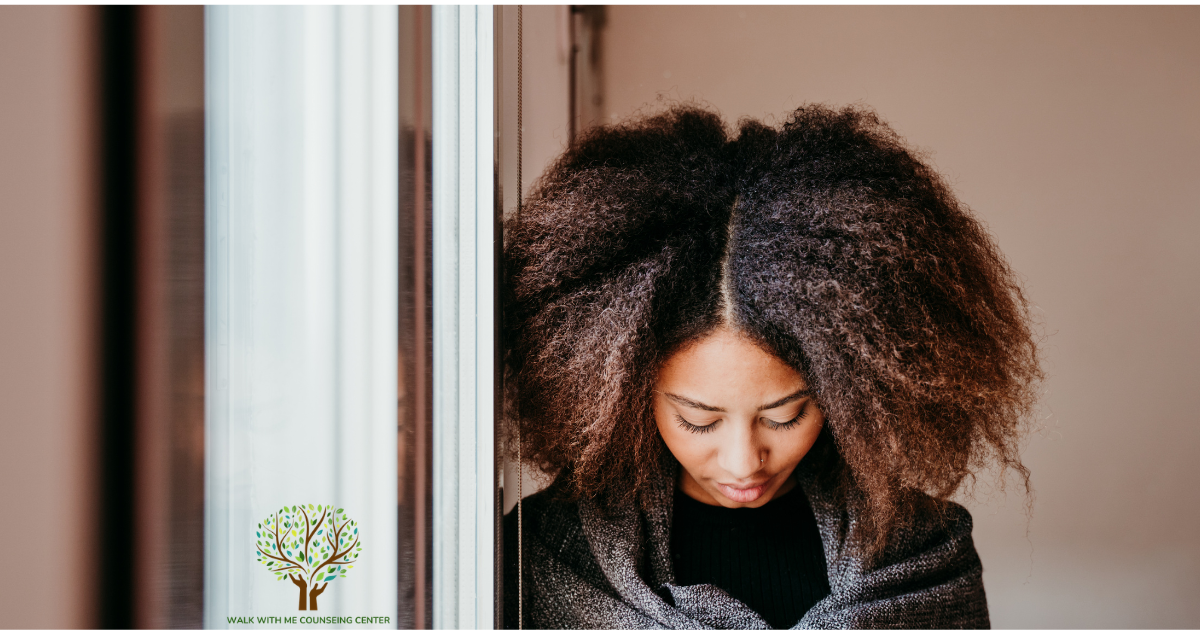
At first, you tell yourself it's nothing.
They've been busy. Life happens. People drift.
But then the silence stretches — and something shifts. You start replaying conversations, looking for the moment things changed. You check your phone more than you want to admit. You wonder if you said something wrong, if you asked for too much, if you were just too much.
And underneath all of that? A pain that feels completely out of proportion to what happened.
It was just a friendship. So why does this feel like something is coming apart?
Here's what I want you to know: the pain is not an overreaction. It's not a sign that you're too sensitive or too attached. It's actually telling you something — and once you understand what that is, a lot of things about your relationships will start to make more sense.
Why Friendship Rejection Hurts So Much
Most people assume that losing a friend should be easier than losing a romantic partner. That it shouldn't hit this hard. That there must be something wrong with them if it does.
That assumption is wrong.
Your brain is not designed to rank your relationships by category and respond accordingly. What it is designed to do is detect social threat — and friendship rejection registers as exactly that.
Neuroscience has shown that the same brain regions that process physical pain also process social exclusion. Being left out, pulled away from, or suddenly cut off activates your nervous system the same way a physical injury would.
This isn't a metaphor. This is biology.
So when a close friend starts pulling away, and the pain feels surprisingly intense, your nervous system isn't being dramatic. It's doing exactly what it was built to do.
You're not weak. You're wired.
Here's What Most People Miss
For many people, the pain of a friend pulling away isn't only about that friendship.
It's about what that loss touches.
Think about the relationships you had before you had any choice about them — the ones in childhood, the ones that shaped how you understood closeness and distance, safety and loss. Those relationships didn't just happen to you. They trained your nervous system. They taught them what to expect when someone gets close. What to brace for. What loss usually means.
That training doesn't disappear when you grow up.
It shows up in your adult relationships — in how quickly you notice someone pulling back, in how activated you get when a text goes unanswered, in how loud the inner voice gets when a friendship starts to cool.
This is why it can feel way bigger than it looks on paper.
You're not just reacting to this friend. You're reacting through every relationship that came before it — every time closeness ended without warning, every time you didn't see it coming, every time the loss told you something about your own worth.
That's not drama. That's a pattern. And it's been running longer than this friendship.
Why Some People Feel This More Intensely Than Others
Not everyone will feel the same level of pain when a friend pulls away. The difference usually comes down to attachment history.
If you grew up in an environment where love felt conditional — where connection was inconsistent, where the people you needed were sometimes present and sometimes not — your nervous system learned to stay on alert.
It learned to watch for the first signs that someone is pulling back.
It learned to interpret distance as a sign of danger.
And when you're built that way, a friend going quiet doesn't just feel disappointing. It feels like confirmation of something you've been quietly afraid of all along — that you're too much, or not enough, or that people inevitably leave.
This is what rejection sensitivity looks like in practice. It's not irrational. It's an old survival strategy that made perfect sense at some point — and now it's misfiring.
Understanding that doesn't make the pain disappear. But it changes what the pain means. It stops being evidence of something wrong with you and starts being information about where you came from.
Signs This Might Be About More Than Just This Friendship
Pay attention if you recognize any of these:
You've replayed the friendship repeatedly, searching for the moment things changed — and you can't find it
The pain has a shame quality to it — like they're pulling away, confirming something you already believed about yourself
You've pulled back from other people since this happened, like the loss made relationships in general feel less safe
This isn't the first time a friendship loss has hit this hard — there's a pattern here if you look
You keep waiting for them to reach out, even though part of you knows you're going to keep waiting
None of these makes you broken. But they are worth paying attention to.
Because if this kind of pain keeps finding you — in friendships, in romantic relationships, in how you show up with people in general — that's not bad luck. That's a pattern that has roots. And patterns with roots don't resolve themselves.
What You Can Do Right Now
Stop trying to logic your way out of the feeling
The pain isn't going to respond to being told it doesn't make sense. It's not a thinking problem — it's a nervous system response. The first step is to stop trying to argue yourself out of it and actually let yourself grieve.
This was a real loss. Treat it like one.
Get curious about the reaction, not just the friendship
Instead of obsessing over what the friend did or didn't do, turn your attention inward. Ask: When have I felt this way before? What does this remind me of?
The answers to those questions will tell you far more than anything they could say to you right now.
Notice if this is a pattern
One painful friendship loss is just that — one painful loss. But if you're recognizing a pattern — if friendship closeness followed by distance keeps showing up, keeps hurting in this particular way — that's a signal worth following.
Patterns don't resolve on their own. They repeat until something changes.
Consider whether you need more than self-reflection
There's a limit to how far you can get by thinking through this alone. If the pain keeps coming back, if the pattern keeps repeating, if you notice that closeness in general has started to feel risky — that's when therapy becomes less optional.
Not because something is wrong with you. Because you deserve to understand what's driving this and actually change it — not just manage it until the next time.
The Pain Is Real. So Is the Pattern.
If a friend pulling away has left you spiraling — if you're stuck in the replay, the questioning, the low hum of shame — I want you to hear this clearly:
You're not too sensitive. You're not too needy. You're a person with an attachment history, and this loss touched it.
That's not a character flaw. It's a starting point.
At Walk With Me Counseling Center, Deja Phillips, LSW, CADC, works with adults across Illinois who are navigating exactly this kind of relational pain — the kind that keeps showing up in friendships, relationships, and everywhere in between. If you're ready to understand what's underneath it — not just survive it — therapy is where that work happens.
Walk With Me is a virtual practice serving all of Illinois. We accept BCBS PPO and Aetna PPO.
If you see yourself in this — if the pain of a friend pulling away feels bigger than just this friendship — you don't have to keep figuring it out alone.
Schedule a free 15-minute consultation at Walk With Me Counseling Center.
Online therapy across Illinois. Real work on real patterns.
Frequently Asked Questions
Why does it hurt so much when a friend pulls away?
Because your brain doesn't categorize relationship pain by type. Social rejection activates the same neurological pathways as physical pain. And if the loss also touches older experiences of abandonment or inconsistent connection, it can feel much larger than the friendship itself — because it is.
Is it normal to feel devastated when a friendship fades?
Yes. Especially when the friendship was meaningful, and the distancing felt sudden or unexplained. Friendship grief is real grief. The fact that it's not romantic doesn't make it smaller.
What does it mean if friendship rejection triggers intense anxiety?
It often means your nervous system is pattern-matching to something older. Intense anxiety in response to a friend pulling away can point to anxious attachment — a nervous system that learned early to stay on alert for signs that connection is ending. That's not a flaw. It's a learned behavior that can be changed.
When should I talk to a therapist about friendship pain?
When it keeps happening. One painful loss is a loss. A pattern of friendship pain — recurring grief, recurring anxiety, recurring questions about your own worth — is a signal that something deeper is driving it. That's when therapy stops being optional.
Can therapy help with friendship grief?
Yes. Attachment-focused therapy can help you grieve the loss of a specific friendship, identify the patterns beneath it, and build a more stable sense of yourself in relationships — so the next loss doesn't have to hit this hard.