Why Creative Spaces Matter for Teen Mental Health
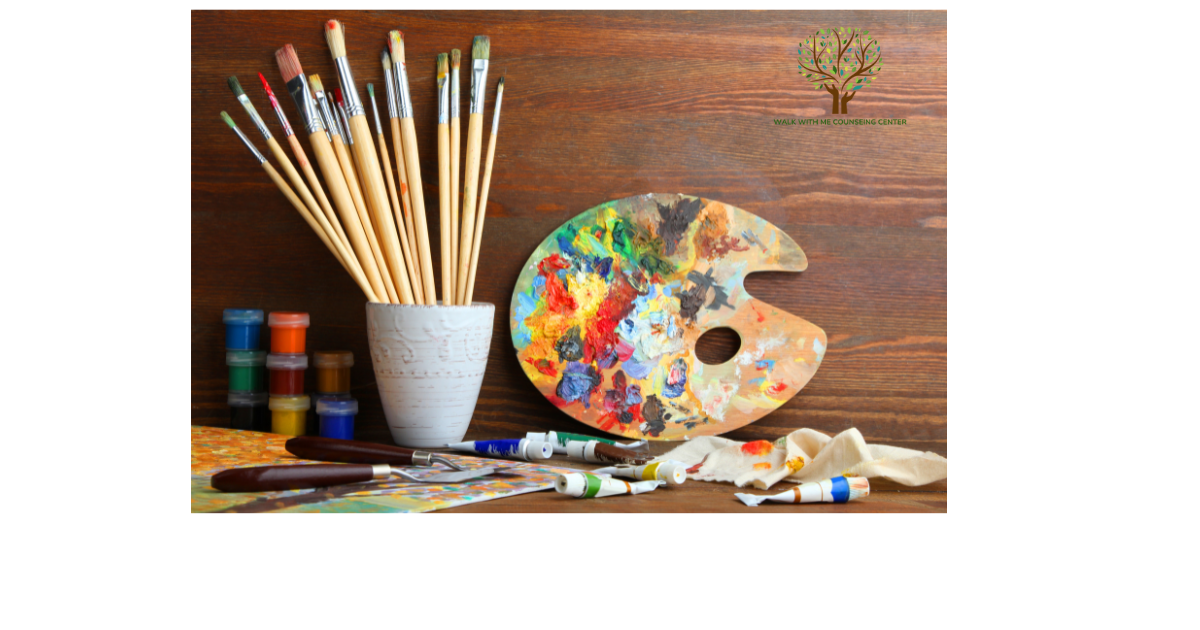
Paint brushes and colorful artist palette representing creativity and emotional expression for teen mental health
Your teenager comes home from school and goes straight to their room. They used to talk to you about their day, but lately it's just shrugs and one-word answers. You notice they seem sad more often than not. Maybe they're anxious about school, withdrawn from friends, or scrolling through their phone for hours with that hollow look in their eyes.
You want to help. You've thought about therapy. Maybe you've even brought it up, and they shut it down. Or maybe they're already in therapy, and it's helping, but you can tell they need something more. Something that feels less clinical. Something that reminds them who they are outside of their struggles.
What if some of the most powerful support for your teen isn't only found in a therapist's office, but also in a circle of other teens snapping after a spoken word poem, a group moving together in a dance class, or two friends quietly creating art side by side?
This is the power of creative belonging. And for many young people, especially those who've been pushed to the margins, these spaces can be just as essential to their mental health as any clinical intervention.
The Weight Teens Are Carrying Right Now
Youth mental health has reached crisis levels. The numbers are hard to ignore. Between 2011 and 2021, the percentage of high school students reporting persistent sadness or hopelessness jumped to 42 percent, the highest it's been in three decades. For LGBTQ+ teens, teens of color, and those navigating poverty or violence, the rates are even higher.
As parents, it's easy to feel powerless in the face of these statistics. You see your child struggling, and you want to fix it. You research therapists. You read parenting books. You try to have conversations that go nowhere.
Traditional mental health care is crucial. Therapy saves lives. But even the best therapy has gaps. Not every teen has access to a therapist who understands their culture or identity. Not every teen wants to sit in an office and talk about their feelings. And not every form of healing happens one-on-one with a licensed professional.
Why Belonging Isn't Optional
Belonging isn't just nice to have. It's a biological need. It's the sense that you matter, that you're safe, and that your presence makes a difference in a space. Research shows that belonging can buffer the effects of trauma, improve school engagement, and strengthen resilience when life gets hard.
For teenagers, belonging is especially powerful because of how their brains are wired. Being accepted by peers activates the reward centers in the brain, reinforcing connection and closeness. On the flip side, exclusion lights up the same areas associated with physical pain. This means that isolation, rejection, or bullying doesn't just feel bad. It can actually change how the brain processes stress, making mental health struggles worse.
For teens facing racism, homophobia, transphobia, or systemic instability, these risks multiply. When the world keeps telling you that you don't belong, finding even one space where you do can be lifesaving.
Many families we work with in therapy here in Chicago and across Illinois tell us their teens feel disconnected. From school, from peers, sometimes even from themselves. They're looking for places where their kids can feel seen and valued, not just assessed or treated.
What Creative Spaces Actually Do
When formal mental health services feel inaccessible or don't resonate, young people often turn to other forms of care. Spaces that affirm their identity and enable them to connect with others. Creative environments such as theater groups, poetry slams, dance workshops, or art collectives are more than hobbies or extracurriculars. For many teens, they function as informal but powerful mental health support.
Here in Chicago, programs like Young Chicago Authors have long used spoken word and poetry to help teens process identity, trauma, and social realities. Organizations such as Kuumba Lynx and Urban Gateways connect young people to dance, music, and storytelling rooted in culture and community. Neighborhood-based arts programs, community centers, and school-sponsored creative groups across the city often become places where teens feel seen in ways they don’t elsewhere.
In these spaces, teens aren't just learning artistic skills. They're building identity. They're forming supportive peer networks. They're finding ways to process and express emotions that might feel too big or too complicated to put into words in a therapy session.
The Science Behind Why This Works
There's actual neuroscience backing up what educators and community organizers have known for years. Creative activity supports emotional regulation and connection in measurable ways.
Engaging in creative work can lower cortisol, the body's stress hormone. Activities like group singing or dance increase oxytocin, which is tied to trust and bonding. Practices like rhythmic movement, drawing, or playing music support something called vagal tone, which helps regulate emotional states and keeps the nervous system balanced.
When teens lead creative projects, like community storytelling, photography exhibits, or music production, they often report increased self-worth, pride in their cultural identity, and stronger resilience. Studies comparing teens in traditional clinical programs with those in creative collectives found that the creative groups often felt more connected and empowered.
This doesn't mean therapy isn't valuable. It means that for some teens, creative belonging is the entry point to healing. For others, it's the thing that sustains them between therapy sessions. And for some, it's the only accessible source of support they have.
Why These Spaces Keep Getting Cut
Despite the evidence, creative programs are too often seen as extras. Nice to have, but not essential. Enrichment, not care. This mindset has real consequences.
Schools and nonprofits struggle to keep these programs funded, especially in under-resourced communities. The teens who could benefit most, marginalized youth navigating anxiety, depression, or trauma, are often the ones with the least access. Mental health initiatives focus on expanding clinical services, which is important, but they overlook the cultural and creative infrastructure that already exists and works.
The spaces that can reach the kids who won't or can't access traditional therapy are the first to lose funding. That's the gap we need to close.
What You Can Do as a Parent
If your teen is struggling, therapy is a good place to start. But it doesn't have to be the only place. Consider the environments available to them. Do they have spaces where their voice is celebrated? Are there programs that reflect their culture, identity, and lived experiences? Do they have opportunities to connect through art, movement, writing, or music?
Even small acts can help. Encouraging them to journal. Helping them find a local open mic night. Supporting their interest in theater or dance, even if it seems like a distraction from schoolwork. Connecting them with a book club or creative workshop. These aren't distractions from healing. They can be part of it.
You don't need to have all the answers. You just need to notice what lights them up and create space for more of that.
When Professional Support Matters Too
Creative spaces are powerful, but they're not a replacement for therapy when your teen is really struggling. If you're noticing signs of depression, anxiety, withdrawal, or thoughts of self-harm, professional support is essential.
At Walk With Me Counseling Center, we work with teens and their families across Illinois through online therapy. Our therapists are Black, culturally responsive, and trained to meet young people where they are. We understand that healing doesn't look the same for everyone, and we're here to support your family in finding what works.
If you're not sure where to start, we offer free 15-minute consultations. You can talk through what's going on with your teen, ask questions, and see if therapy feels like a good fit. We're also in network with BCBS PPO and Aetna PPO, which can make support more accessible.
Your teen doesn't have to navigate this alone. And neither do you. Whether it's through therapy, creative outlets, or both, support is available when you're ready.